
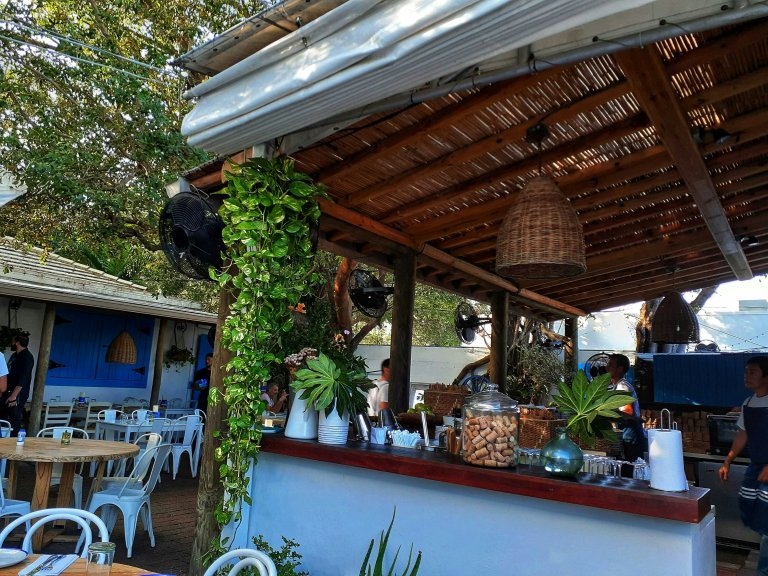

Picture this: You’ve just signed the lease for your dream cafe space in Quezon City. The smell of freshly painted walls mixes with excitement as you imagine customers sipping your signature kapeng barako while working on their laptops. Fast forward six months, and you’re drowning in expenses, struggling with inconsistent foot traffic, and wondering where it all went wrong.
Sound familiar?
Running a cafe in the Philippines might seem straightforward, after all, Filipinos love their coffee and merienda. But here’s the thing: passion for coffee doesn’t automatically translate to a profitable business. Too many aspiring cafe owners jump in headfirst, only to realize they’ve made preventable mistakes that cost them thousands, sometimes millions, of pesos.
Let’s talk about the real challenges you’ll face and, more importantly, how to navigate them successfully.
- The "Build It, and They Will Come" Mentality
- Underestimating the Real Costs
- The Menu Trap: Offering Everything to Everyone
- Hiring Mistakes That Cost You
- Neglecting Online Presence (Yes, Even for Physical Cafes)
- Poor Inventory Management
- Ignoring Customer Feedback
- Failing to Adapt to Filipino Culture and Preferences
- Not Planning for Slow Seasons
The “Build It, and They Will Come” Mentality
Here’s a hard truth: Opening a beautiful cafe doesn’t guarantee customers will flock to your doors.
Maria, a former marketing executive, learned this lesson the expensive way. She invested ₱2.5 million in a stunning cafe in Makati, with Instagram-worthy interiors, imported espresso machines, and the works. She assumed the aesthetic alone would draw crowds. Three months in, she was barely breaking even.
The mistake: Skipping market research and location analysis.
What you should do instead:
- Study your competition within a 500-meter radius. How many cafes are there? What are their price points? What’s missing in the area?
- Understand your target market. Are you near offices (hello, busy mornings and lunch rushes) or residential areas (think weekend brunches)?
- Test before you invest. Consider pop-ups or temporary stalls to gauge interest before committing to a long-term lease.
Running a cafe in the Philippines requires more than great coffee; it demands strategic thinking about who you’re serving and why they’d choose you over the Starbucks down the street.
Underestimating the Real Costs
Let’s get real about money.
Many new cafe owners budget for the obvious stuff: rent, equipment, and initial inventory. But they forget about the hidden costs that pile up faster than you can say “triple shot espresso.”
Common cafe startup mistakes in budgeting:
- Underestimating utility bills. Air conditioning alone can cost ₱30,000 – ₱50,000 monthly in Manila’s heat.
- Forgetting about permits and licenses. Business permits, sanitary permits, and fire safety certificates aren’t one-time expenses. They need renewals.
- Ignoring buffer funds. What happens when your espresso machine breaks down? Or when a typhoon keeps customers away for a week?
Pro tip: Create a realistic budget with at least 30% buffer for unexpected expenses. Talk to existing cafe owners (most are surprisingly generous with advice) about their actual monthly costs. The Facebook group “Cafe Owners Philippines” is a goldmine of real numbers and honest discussions.
The Menu Trap: Offering Everything to Everyone
When running a cafe in the Philippines, there’s pressure to cater to every possible craving. Breakfast? Check. All-day brunch? Of course. Pasta, rice meals, sandwiches, desserts, and twenty different coffee variations? Why not?
Here’s why not: You’ll spread yourself too thin.
The problem with massive menus:
- Higher food waste (ingredients expire before you use them)
- Slower service (kitchen gets overwhelmed)
- Inconsistent quality (staff can’t master everything)
- Confused brand identity (Are you a cafe or a restaurant?)
The smarter approach:
Start with 8-12 well-executed items. Perfect them. Build your reputation around them. You can always expand later, but it’s harder to scale back once customers expect variety.
Think about Yardstick Coffee; they built a cult following by focusing on excellent coffee and a tight menu of complementary food items. They didn’t try to be everything. They became known for doing specific things exceptionally well.
Hiring Mistakes That Cost You
Your barista is the face of your cafe. Yet this is where many owners make critical cafe startup mistakes.
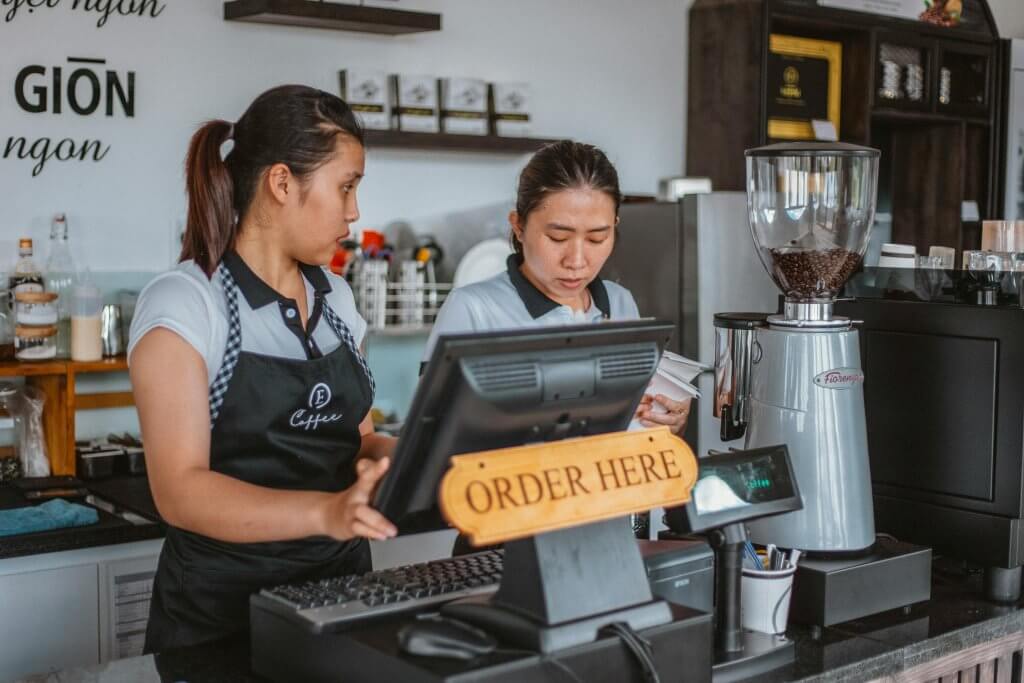
Common hiring errors:
- Prioritizing cheap labor over skills. That ₱5,000 savings on the monthly salary? It’ll cost you in lost customers when service is slow or coffee tastes inconsistent.
- Skipping proper training. Even experienced baristas need training on YOUR systems, YOUR standards, YOUR recipes.
- Ignoring personality fit. Technical skills matter, but so does genuine warmth. Filipinos value “mabait” and “approachable” service.
Investment that pays off:
Spend time training your team properly. Create detailed SOPs (Standard Operating Procedures) for everything, from how to greet customers to the exact grams of coffee per espresso shot.
When your staff feels confident and supported, it shows in their service.
Also, pay fairly. The cafe industry has high turnover because many owners underpay. Retaining good staff saves you money in the long run; recruitment and training costs add up quickly.
Neglecting Online Presence (Yes, Even for Physical Cafes)
It’s 2026. If your cafe isn’t online, you’re invisible to a huge chunk of potential customers.

Digital mistakes new cafe owners make:
- No Google Business Profile. People search for “cafes near me” constantly. If you’re not listed, you don’t exist.
- Inactive social media. Posting once a month doesn’t cut it. Your competitors are posting daily.
- Ignoring food delivery apps. GrabFood and foodpanda can add 20-30% to your revenue, especially during rainy seasons.
What works when running a cafe in the Philippines:
- Post consistently on Instagram and Facebook, Filipinos are highly active on both platforms
- Encourage reviews (and respond to them, good or bad)
- Use location tags and relevant hashtags
- Partner with local influencers for authentic promotion (micro-influencers often give better ROI than celebrities)
Remember: Your online presence should reflect your physical space. If your cafe has a cozy, bookish vibe, your content should feel the same. Authenticity resonates.
Poor Inventory Management
Spoiled milk. Expired pastries. Running out of your bestseller on a Saturday afternoon.
Inventory issues might seem minor, but they directly impact your bottom line.
The balancing act:
- Order too much → waste money on spoilage
- Order too little → lose sales and disappoint customers
Systems that help:
- Track your sales patterns weekly (which items sell most on Mondays vs. Saturdays?)
- Implement FIFO (First In, First Out) to minimize waste
- Build relationships with reliable suppliers who can deliver quickly
- Use inventory management software (even simple spreadsheets work if you’re consistent)
One cafe owner in Antipolo shared that she reduced food waste by 40% simply by tracking sales patterns and adjusting orders accordingly. That’s thousands of pesos saved monthly.
Ignoring Customer Feedback
Here’s something uncomfortable: Your cafe isn’t as perfect as you think it is.
Customers notice things you’ve become blind to, the wobbly table in the corner, the bathroom that always smells weird, the barista who’s consistently unfriendly.
Why new owners struggle with feedback:
- It feels personal (you’ve poured your heart into this place)
- You dismiss concerns as isolated incidents
- You assume you know better than customers
The growth mindset:
- Actively ask for feedback through comment cards or QR code surveys
- Monitor online reviews religiously
- Train staff to report customer comments, both positive and negative
- Actually implement changes based on patterns you see
When running a cafe in the Philippines, word-of-mouth is powerful. One bad experience shared in a community Facebook group can hurt you. But one excellent experience? That brings you loyal customers who become your best marketers.
Failing to Adapt to Filipino Culture and Preferences
International cafe concepts don’t always translate directly to the Philippine market.
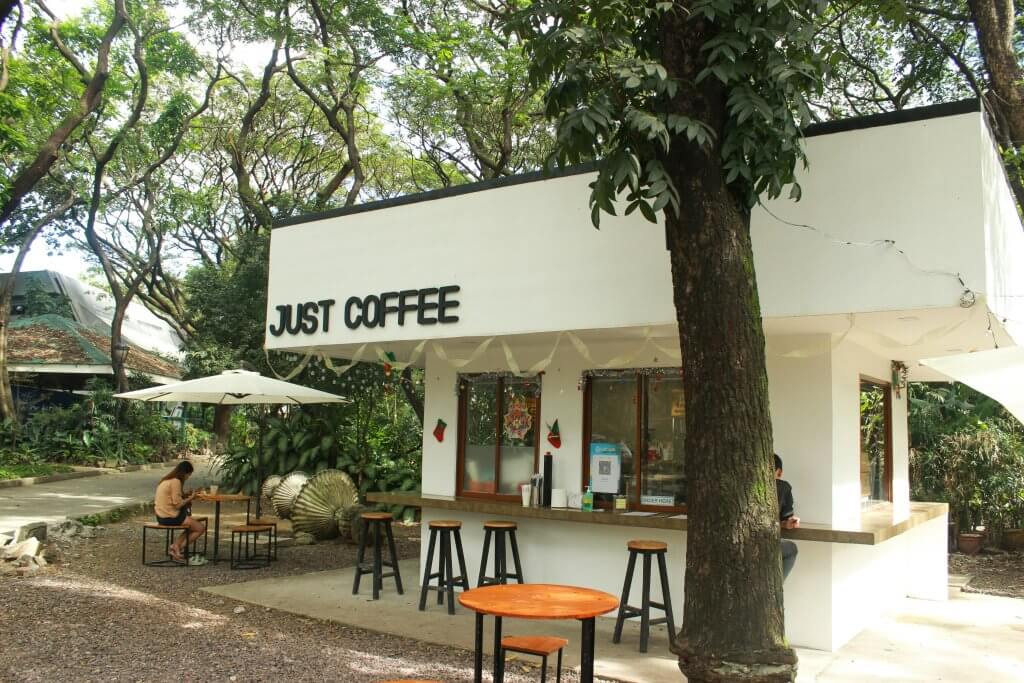
Cultural considerations:
- Filipinos eat frequently. We don’t just want coffee, we want something to pair it with. Small bites matter.
- Value for money is crucial. Premium is fine, but justify the price. What makes your ₱180 latte worth it?
- Comfort is expected. Air conditioning isn’t a luxury here; it’s a necessity. So is reliable WiFi.
- We’re social. Cafes aren’t just for solo laptop work. Group seating, shareable items, and Instagram-worthy spots matter.
Example: A cafe in Cebu struggled until they added “Filipino coffee” options, barako, kapeng tablea, alongside their espresso menu. Sales jumped because they honored local preferences while offering international standards.
Don’t fight the market. Work with it.
Not Planning for Slow Seasons
Every business has cycles, but many new cafe owners panic during slow months.
Reality check:
- December might be busy, but January is often dead (everyone’s recovering from holiday spending)
- The rainy season affects foot traffic
- School breaks change customer patterns if you’re near universities
Survival strategies:
- Build cash reserves during peak months
- Create promotions specifically for slow periods
- Diversify revenue streams (catering, wholesale, packaged products)
- Use slow times for maintenance, deep cleaning, and staff training
Smart cafe owners view slow seasons as opportunities to prepare for the next rush, not as failures.
Running a cafe in the Philippines is challenging, competitive, and occasionally frustrating. But it’s also incredibly rewarding when done right.
The cafe startup mistakes we’ve discussed aren’t just theoretical; they’re real errors that have closed down countless promising businesses. But here’s the good news: they’re all preventable.
Your action plan:
- Do thorough research before signing any lease
- Budget realistically (and then add 30% more)
- Start with a focused menu you can execute perfectly
- Invest in training great staff
- Build a strong online presence from day one
- Listen to your customers and adapt
- Respect Filipino culture and preferences
- Plan for both busy and slow seasons
Success isn’t about avoiding all mistakes; it’s about learning quickly and adjusting. Talk to other cafe owners. Join communities. Stay curious. Stay humble.
Your dream cafe can thrive. Just make sure you’re building it on a foundation of smart decisions, not just beautiful aesthetics and passion for coffee.
Because at the end of the day, running a cafe in the Philippines requires both heart and strategy. Master both, and you’ll create something truly special, a space where community gathers, conversations flow, and yes, the coffee is excellent too.
Ready to start your cafe journey the right way? Learn from those who’ve walked the path before you. Your future customers (and your bank account) will thank you.

0 Comments