
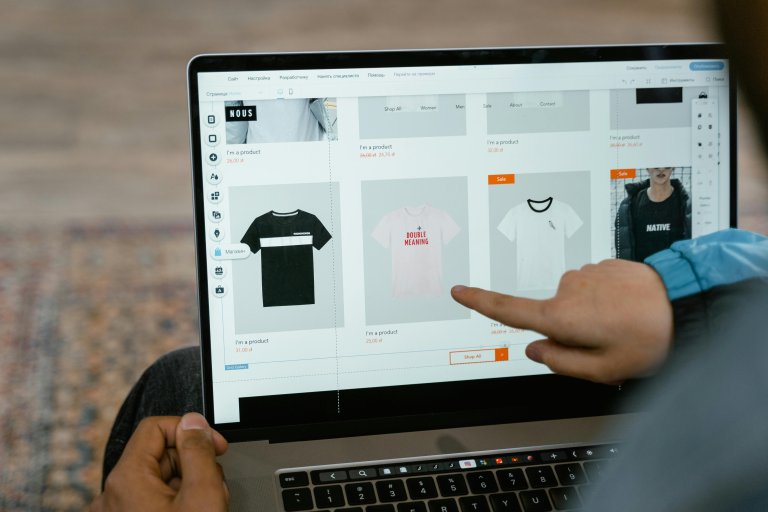

You’re scrolling through your phone during lunch break. Suddenly, a flash sale notification pops up: “50% OFF! Limited stocks!” Your finger hovers over the screen. You don’t really need another pair of shoes, but the discount is a great incentive! Before you know it, you’ve checked out, and that familiar feeling washes over you, you’ve been “budol” again.
Sound familiar? You’re not alone. Welcome to the fascinating world of budol culture in the Philippines, a phenomenon that’s reshaping how Filipinos shop, spend, and sometimes regret.
- What Exactly is Budol Culture?
- The Psychology Behind Filipino Impulse Buying
- How Online Shopping Amplified Budol Culture
- The Filipino Factors: Why We're Particularly Prone to Budol
- The Real Cost of Budol Culture
- Breaking Free: How to Enjoy Shopping Without the Budol Guilt
- The Positive Side of Budol Culture
- Moving Forward: Smarter Shopping in the Digital Age
What Exactly is Budol Culture?
Let’s break it down in true Pinoy fashion. “Budol” is Filipino slang that originally meant being tricked or scammed. But over time, especially with the explosion of online shopping, it’s evolved into something more nuanced, and honestly, more relatable.
Today, when Filipinos say “Nabudol ako!” (I got budol-ed!), they’re usually referring to that moment when they bought something they didn’t plan to buy. Maybe it was a convincing TikTok Shop livestream, a friend’s enthusiastic recommendation, or just a really good deal that was “too good to pass up.”
Here’s the thing: Budol culture isn’t always about being deceived. Sometimes, we budol ourselves. We create elaborate justifications for purchases we know deep down we don’t need. “It’s an investment,” we tell ourselves. “I’ll definitely use this… someday.”
The Psychology Behind Filipino Impulse Buying
Understanding impulse buying PH requires looking at what makes us tick as consumers. Several psychological triggers influence our purchasing decisions, and Filipinos are particularly susceptible to certain ones.
The FOMO Effect (Fear of Missing Out)
Filipinos have a strong community orientation. We hate being left out, whether it’s the latest chismis or the hottest product everyone’s talking about. When we see friends posting about their purchases or influencers raving about a product, our FOMO kicks into overdrive.
Limited-time offers and flash sales prey on this fear. “Only 3 items left!” “Sale ends in 2 hours!” These tactics create artificial urgency that short-circuits our rational thinking. Suddenly, that item we’ve never heard of becomes something we absolutely must have.
The Discount Dopamine Rush
Let’s be real: Filipinos love a good deal. We’re the same people who will travel across the city to save ₱50 on groceries. So when we see “70% OFF” plastered across a product, our brains light up like a Christmas tree.
Research on consumer psychology and pricing shows that discounts trigger dopamine release, the same feel-good chemical associated with rewards and pleasure. We’re not just buying a product; we’re buying the satisfaction of getting a bargain.
But here’s the catch: we often end up spending money we wouldn’t have spent otherwise, all in the name of “saving.”
Social Proof and the Power of Reviews
“Sis, bili ka na! Sulit ‘yan!” (Sis, buy it! It’s worth it!)
Filipino culture is inherently social. We trust recommendations from friends, family, and even strangers on the internet more than we trust advertisements. This is why review sections and comment threads hold so much power in online shopping decisions.
When we see hundreds of positive reviews with photo uploads from fellow Filipinos, our defenses crumble. If it worked for them, surely it’ll work for us, right? This social validation becomes the final push we need to click “Buy Now.”
How Online Shopping Amplified Budol Culture
The pandemic didn’t create budol culture, but it definitely put it on steroids. With physical stores closed, and everyone stuck at home, online shopping became our primary form of retail therapy, and sometimes, our only entertainment.
The Rise of Livestream Shopping
Livestream shopping deserves its own spotlight in the budol culture conversation. Platforms like TikTok Shop, Shopee Live, and Lazada Live have turned shopping into entertainment. Charismatic hosts demonstrate products in real-time, chat with viewers, and create a sense of community and excitement.
It’s like watching a home shopping network, but more interactive and addictive. The combination of entertainment, social interaction, and limited-time offers creates the perfect storm for impulse buying.
One-Click Checkout: Convenience or Curse?
Remember when buying something online required multiple steps? You’d have to enter your shipping address, card details, and confirm your purchase several times. Those friction points gave us time to reconsider.
Now? One click, and it’s done. Saved payment methods, express checkout, and cash-on-delivery options have made spending money easier than ever. There’s barely any time between “I want this” and “I bought this” to engage our rational brain.
The Filipino Factors: Why We’re Particularly Prone to Budol
While impulse buying is a global phenomenon, certain aspects of Filipino culture make us especially vulnerable to budol moments.
Pakikisama and Peer Influence
The Filipino value of pakikisama (getting along with others) means we’re highly influenced by our social circles. When our barkada (friend group) is all buying the same trending product, we feel pressure to join in. Nobody wants to be the KJ (killjoy) who doesn’t participate.
This extends to supporting small businesses and online sellers, too. We buy not just because we want the product, but because we want to support a friend’s business or help someone reach their sales target.
Retail Therapy as Self-Care
Life in the Philippines can be stressful, traffic, work pressure, family obligations. Shopping, especially online shopping, becomes a form of self-care and stress relief. “Deserve ko ‘to” (I deserve this) becomes our mantra after a tough week.
There’s nothing wrong with treating yourself, but when retail therapy becomes our primary coping mechanism, it can lead to financial stress that creates a vicious cycle.
The “Pwede Na” Mindset
Filipinos are practical and resourceful. We’re okay with “pwede na” (good enough) rather than waiting for perfect. This mindset, while generally positive, can work against us in shopping situations.
We see a product that’s “pwede na”, not exactly what we were looking for, but close enough, and it’s on sale! So we buy it, even though we weren’t actively looking for it in the first place.
The Real Cost of Budol Culture
Let’s talk about the elephant in the room: the financial impact of impulse buying.
According to recent consumer studies, Filipinos are increasingly conscious about their spending, yet many still struggle with impulse purchases. Those small “harmless” purchases of ₱500 here and ₱800 there can add up to tens of thousands of pesos annually.
Beyond the financial cost, there’s also:
- Clutter and waste: Unused items gathering dust in our homes
- Buyer’s remorse: The guilt and regret after the shopping high wears off
- Opportunity cost: Money spent on impulse buys could have gone to savings or more meaningful purchases
- Environmental impact: More consumption means more waste and carbon footprint
Breaking Free: How to Enjoy Shopping Without the Budol Guilt

Here’s the good news: understanding budol culture is the first step to taking control of your shopping habits. You don’t have to stop shopping entirely; that’s unrealistic and unnecessary. Instead, let’s aim for more mindful consumption.
The 24-Hour Rule
When you feel the urge to buy something, especially during a flash sale, add it to your cart, but don’t check out immediately. Wait 24 hours. If you still want it the next day, and it fits your budget, go ahead.
You’ll be surprised how often that urgent “need” disappears overnight. This simple pause gives your rational brain time to catch up with your emotional impulses.
Create a “Want vs. Need” List
Before major shopping events like payday sales or 11.11, make two lists:
- Needs: Things you actually need and have budgeted for
- Wants: Things you’d like to have but can live without
Prioritize your needs list. If you have budget left over after covering necessities and savings goals, then you can consider items from your wants list.
Unfollow, Mute, or Limit Exposure
If certain influencers, shops, or platforms trigger your impulse buying, it’s okay to unfollow or mute them. You can also turn off shopping app notifications to reduce temptation.
Out of sight, out of mind actually works. When you’re not constantly bombarded with deals and new products, you’ll find it easier to stick to intentional purchases.
Calculate the “Hours Worked” Cost
Instead of thinking about prices in pesos, calculate how many hours you need to work to afford something. That ₱2,000 item might represent 8 hours of work. Is it worth a full workday? This perspective can be sobering and help you make better decisions.
Embrace the “One In, One Out” Rule
For every new item you bring into your home, commit to removing one similar item. Want new clothes? Donate or sell something from your closet first. This rule helps control clutter and makes you think twice about whether you really need that new purchase.
The Positive Side of Budol Culture
Before we wrap up, let’s acknowledge that budol culture isn’t all bad. It has some unexpected benefits:
- Supporting local businesses: Many impulse purchases go to small Filipino entrepreneurs and online sellers
- Discovering new products: Sometimes budol leads us to genuinely useful products we wouldn’t have found otherwise
- Community building: Shopping has become a social activity that connects people
- Economic stimulus: Consumer spending drives economic growth
The key is finding balance, enjoying the thrill of shopping and supporting businesses while staying within your means and avoiding financial stress.
Moving Forward: Smarter Shopping in the Digital Age
Budol culture in the Philippines is here to stay. As long as we have smartphones, social media, and e-commerce platforms, we’ll continue to face temptation. The question isn’t whether you’ll experience budol moments, it’s how you’ll respond to them.
Understanding the psychology behind impulse buying, PH empowers you to make conscious choices. You can enjoy online shopping without the guilt, support businesses you believe in, and still maintain financial health.
Remember, being “budol” occasionally is human. We all make impulsive purchases sometimes, and that’s okay. What matters is developing awareness and strategies to ensure those moments are exceptions rather than the rule.
So the next time you feel that familiar urge to click “Buy Now,” take a breath. Ask yourself: “Is this budol, or is this genuinely something I want and can afford?” Your future self, and your wallet, will thank you.
Budol culture is uniquely Filipino in its expression, but the underlying psychology is universal. We’re all susceptible to marketing tactics, social pressure, and the dopamine hit of a new purchase. The difference between financial stress and financial freedom often comes down to awareness and intentionality.
Shop smart, shop mindful, and remember: the best deals are the ones you don’t regret later. Happy shopping, Pinoys!

0 Comments